Techniques3 min
Ades and kentil embroidery: the stitch, the cut and the quantities
Ades and kentil give the velvet gandoura and the karakou their shine and relief: what each one is, how they are sewn together, and how much to order.
El FetlaThe atelier
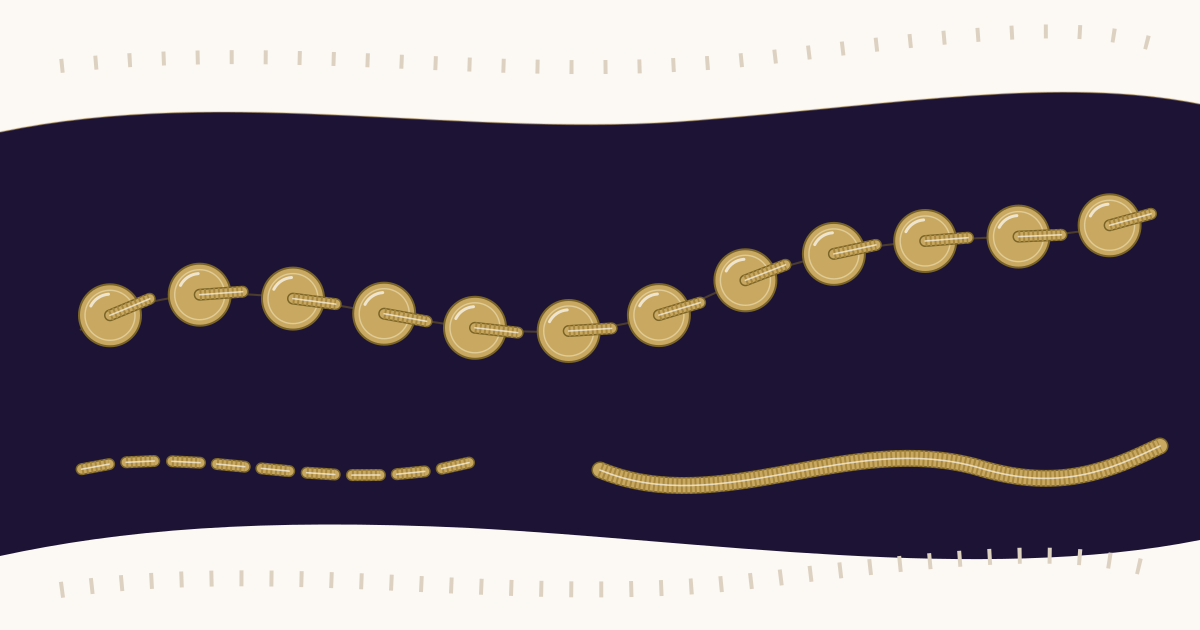
“Ades and kentil” embroidery is what you see on the velvet gandoura and on the karakou: flat sequins that catch the light, and between them short lengths of coiled metal wire that give the relief. Two materials, and each is worked its own way.
Ades: the point of light
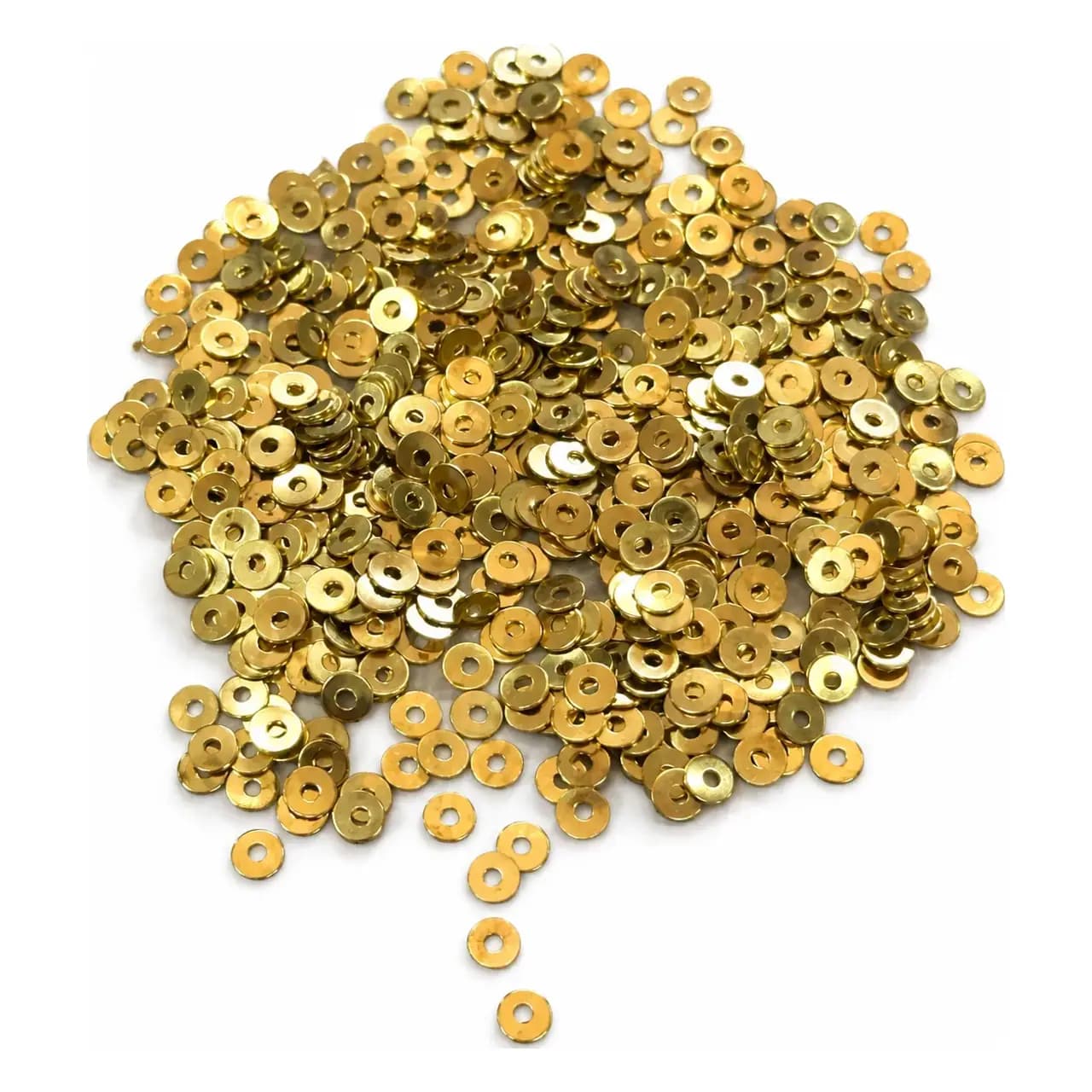
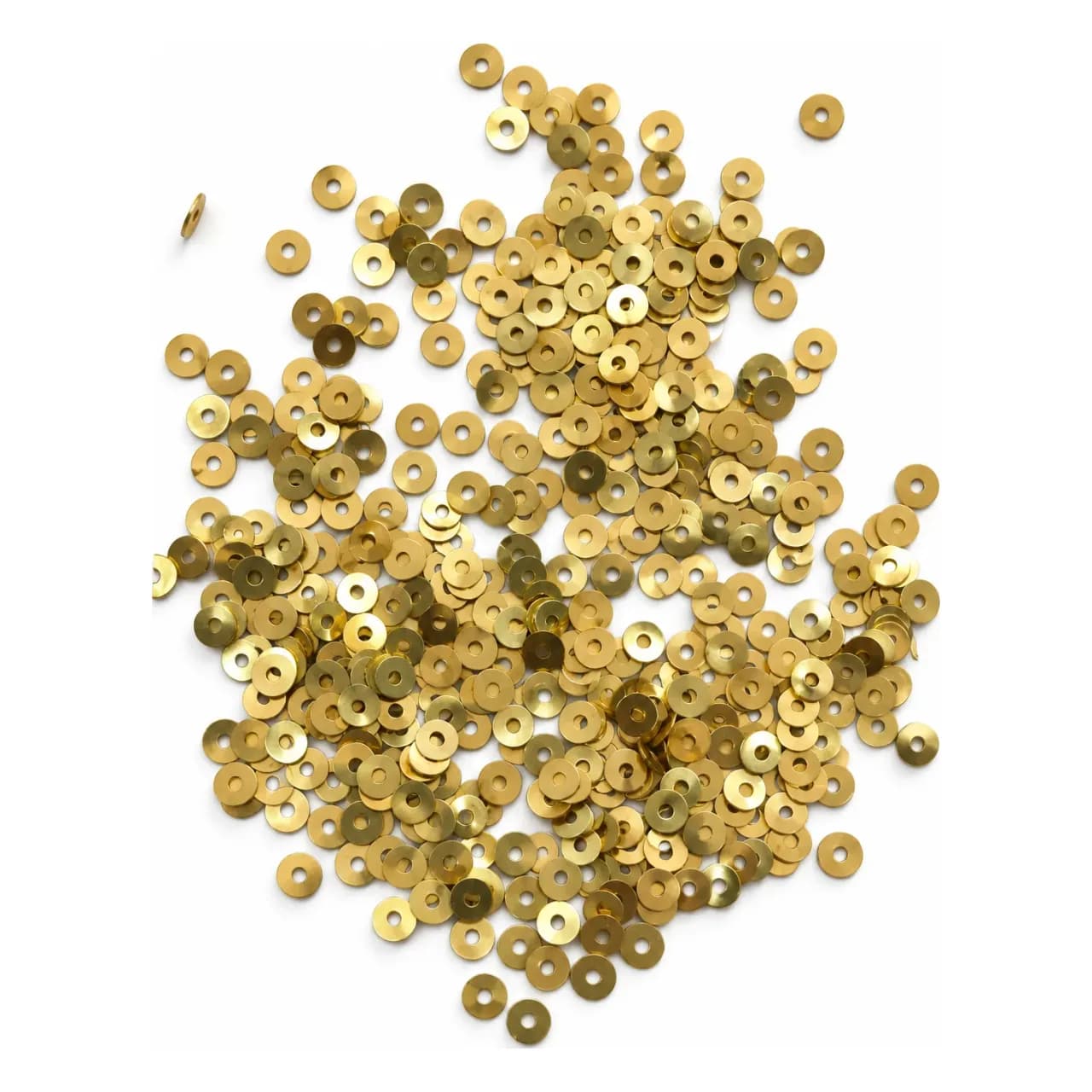
Ades are small flat metal sequins with a hole in the centre. Ours are brass, 4 mm across, in a 25 g bag. They are sewn on with thread through the centre hole, one at a time or in a row. Do not confuse them with the plastic sequins sometimes sold under the same name: metal does not return the light the same way, and side by side on one piece the difference shows.
Kentil: the coil you cut
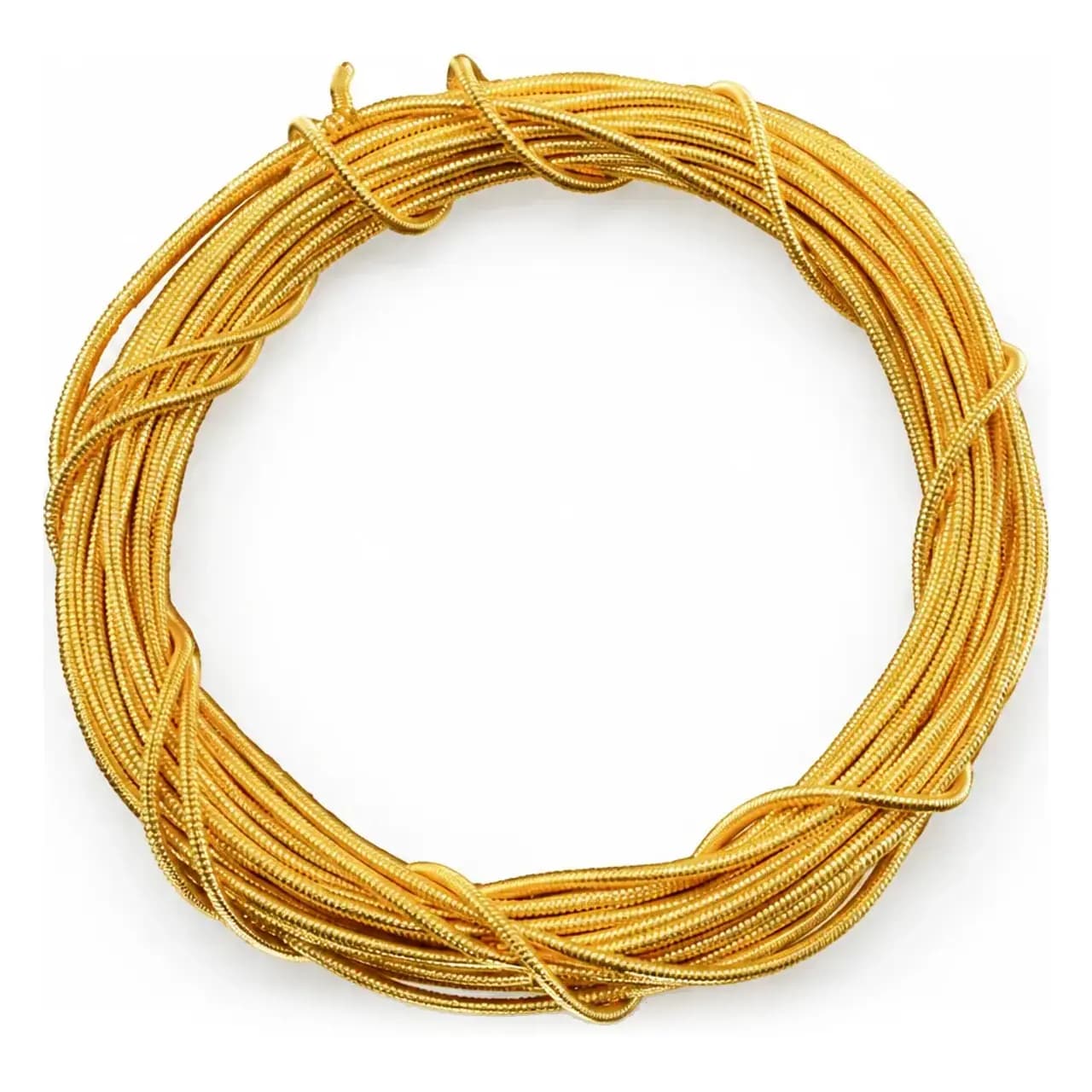
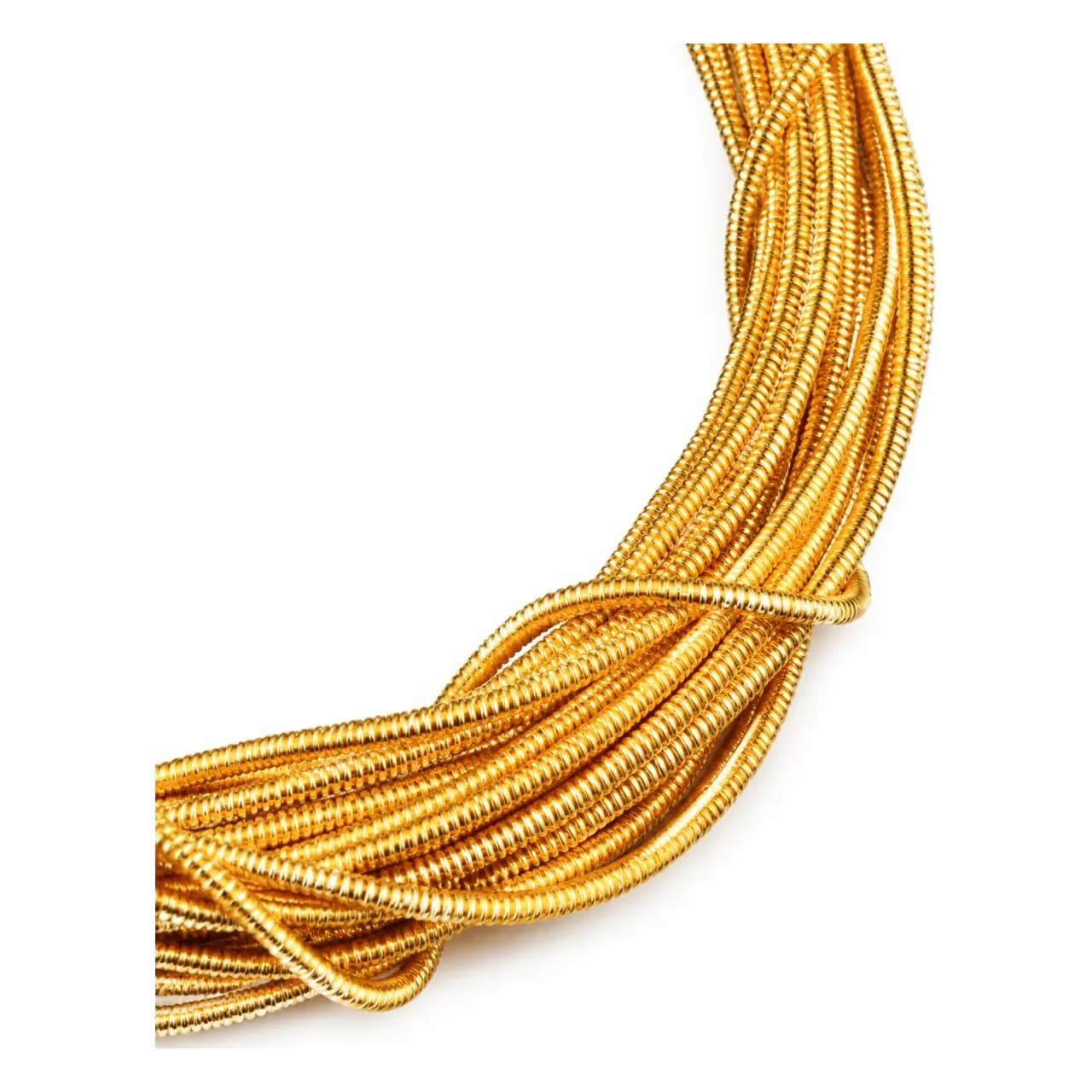
Kentil (bullion, or purl) is a fine metal wire wound into a tight coil until it forms a small hollow tube. It is not sewn like a thread: you cut it with scissors into short lengths, and each length is threaded on the needle and sewn down like a bead. Ours is stiff, gold-tone metal (not gold), in a 10 g pack, which is about 2.5 to 3 m of coil.
How they are sewn together
- The sequin held by kentil. Bring the needle up through the sequin's hole, thread a short length of kentil, and go back down just past the sequin's edge. The length lies across the sequin and holds it; the thread does not show.
- The row. Sequin, length, sequin, along the drawn line: this is how outlines, veins and stems are built.
- The fill. Short lengths packed side by side fill a leaf or a petal, with a sequin in the centre as a point of light.
- The relief. A length slightly longer than the gap between two points arches above the cloth: that is the relief you feel under your finger.
Before you start
- Stretch the cloth tight on a frame: velvet that moves under the needle gives a crooked motif.
- Cut the kentil over a scrap of velvet or a towel: on a smooth table the small lengths jump and get lost.
- Sew with a strong thread close to gold in tone, run over wax if you have some: the metal's edges can cut a fine thread.
- Never crush the kentil, in the pack or in your hand: a crushed coil does not spring back.
How much to buy
The sum starts from the cut length, not from the pack. A 10 g pack is about 2.5 to 3 m of coil, which gives, before cutting losses:
- 3 mm lengths: about 830 to 1,000 per pack.
- 4 mm lengths: about 620 to 750 per pack.
- 5 mm lengths: about 500 to 600 per pack.
Then embroider one motif on an offcut, count how many lengths and sequins it took, and multiply by the number of motifs on the piece. Add 15% to the total, as for sfifa yardage: some fall when you cut, and a sequin dropped into velvet is not found again.
Buy them in the same order
The gold of brass and the gold of kentil are not always the same tone, and the gap shows as soon as the piece is under light. Order the ades and the kentil together, and compare them side by side before you start. If you add majboud for the outlines, read what separates fetla from majboud. The price in dinars is on the cards below, all the fetla embroidery supplies are on the same shelf, and you pay on delivery.