Techniques2 min
Fetla and majboud: what actually separates them
Both hold the karakou’s embroidery, and they get confused at the counter. The difference is in the gesture, not only in the thread.
El FetlaThe atelier

The question comes up on every order: "what is the difference, exactly?" Both threads dress the karakou, both catch the light, and in a shop window photograph they look alike. In the hand they are two different crafts.
Fetla is laid, majboud is couched
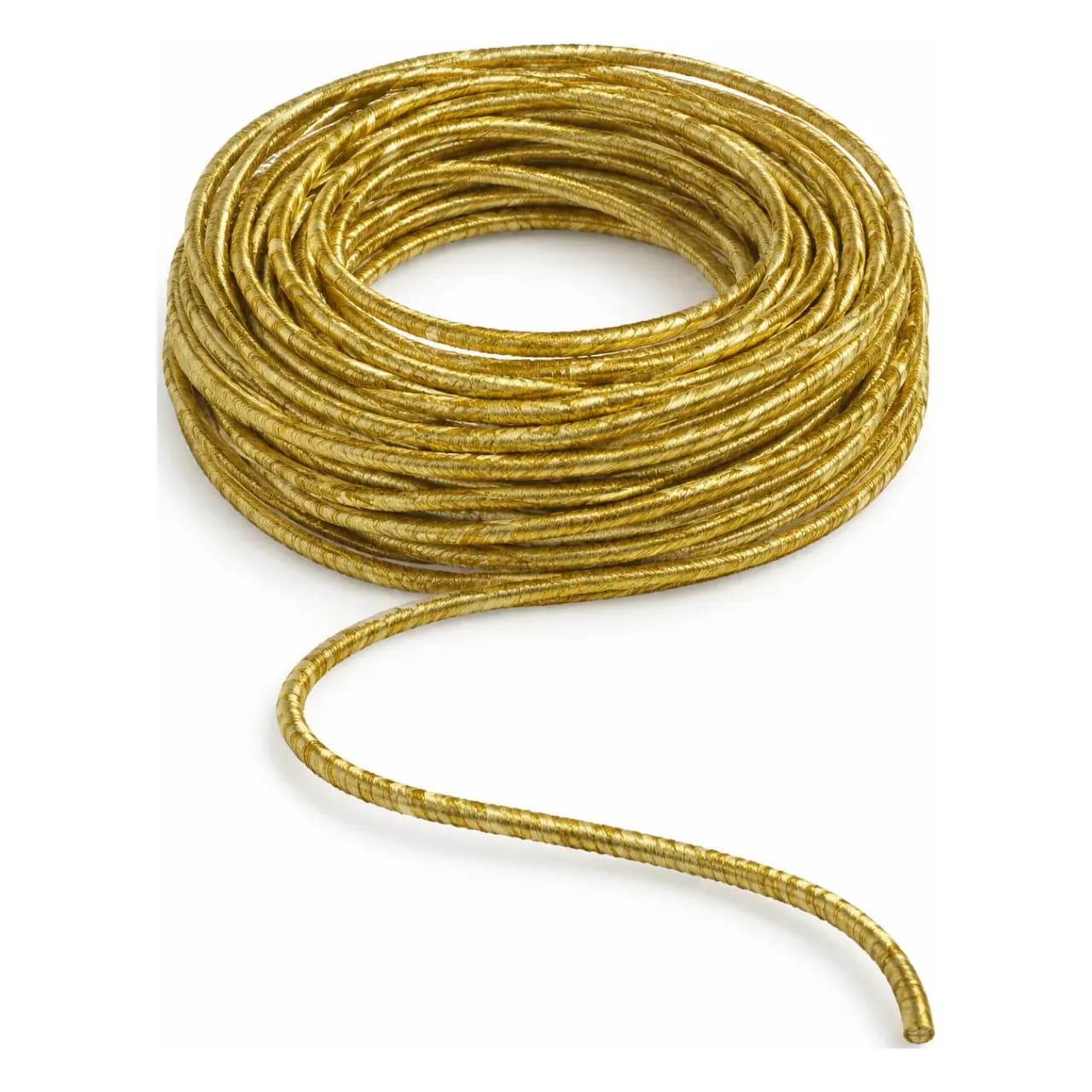
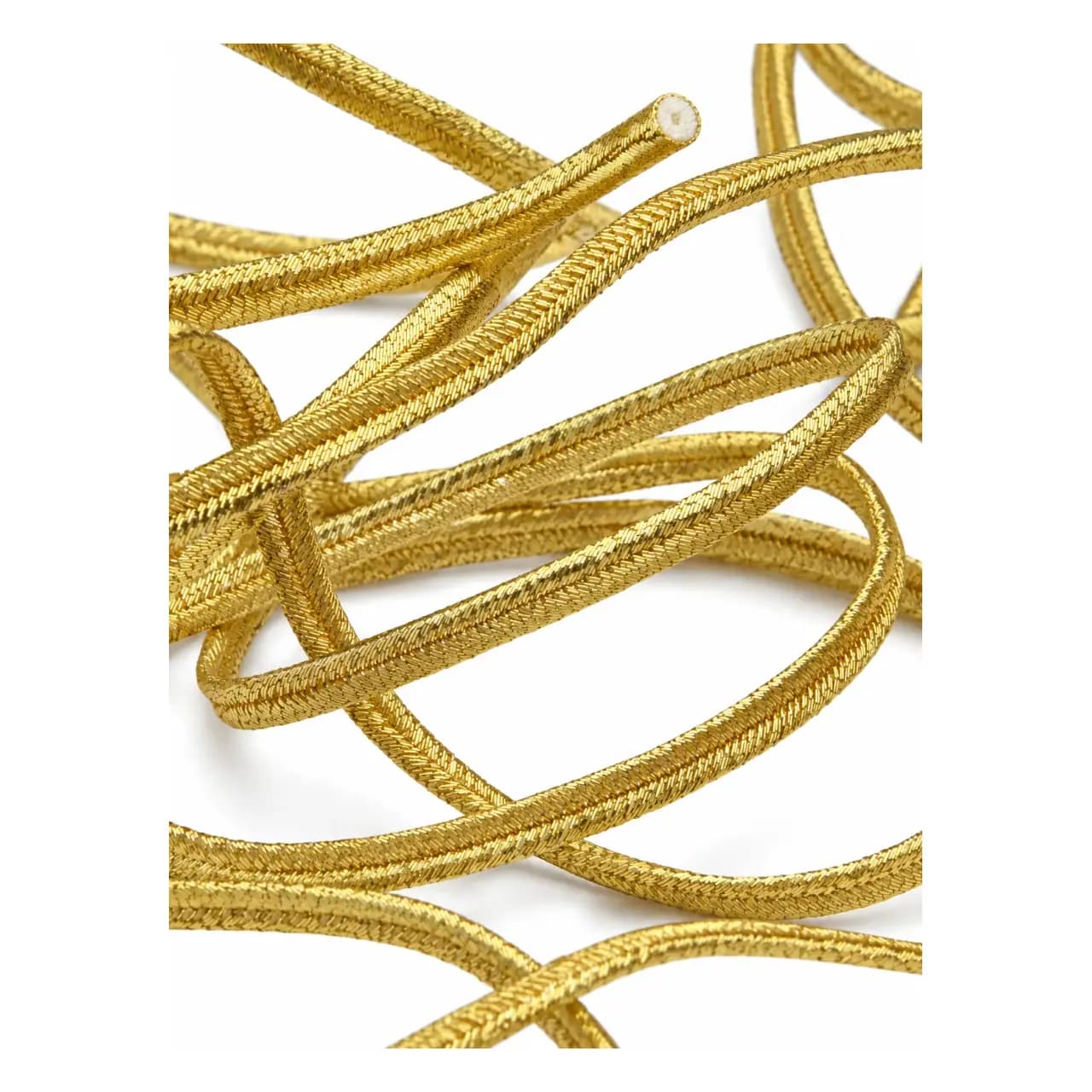
Fetla is a flat, supple thread, folded and laid flat on the cloth along a drawn line. The stitch holding it is discreet: what you see is the thread itself, in tight meanders. It is surface embroidery, and that is what gives it its broad shine.
Majboud is a round, stiffer cord, laid on the cloth and held by short transverse stitches. The relief is definite, the line is crisp, and the result reads as graphic rather than glittering.
What that changes when you buy
A piece in fetla eats more length for the same area: the thread wanders instead of following a line. Buy generously rather than exactly — a spool join shows on a sleeve panel, and two spools from different dye baths are never quite the same tone.
Majboud is almost measurable from the drawing: the length of the line, plus a margin for the corners. It is the thread you can order tightly.
The mixing trap
Many karakous use both: majboud for outlines and the architecture of the motif, fetla for the fills. If you do that, buy them together. Golds are not standardised between suppliers, and a warm gold beside a cool one is obvious the moment the piece is under light.